History of the Atlantic Cable & Undersea Communications
from the first submarine cable of 1850 to the worldwide fiber optic network
Bamfield Cable Station
British Columbia, Canada
|
History of the Atlantic Cable & Undersea Communications |
|
Bamfield Cable Station |
|
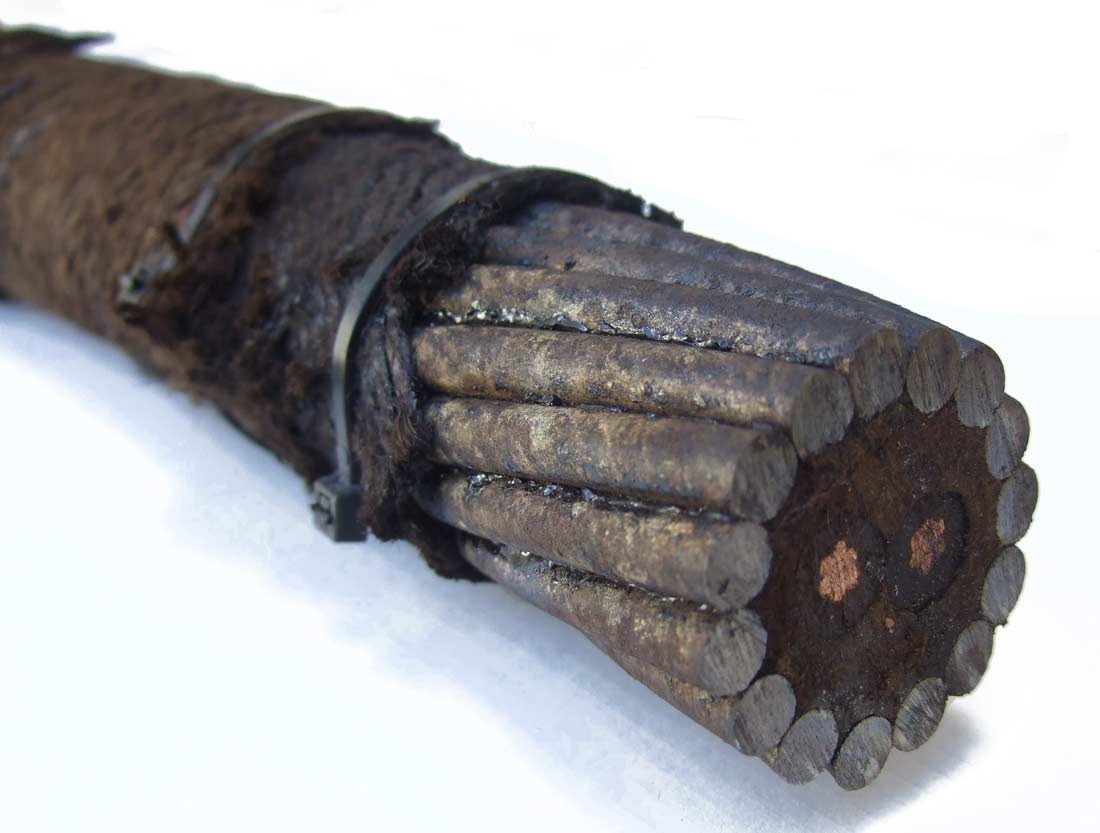
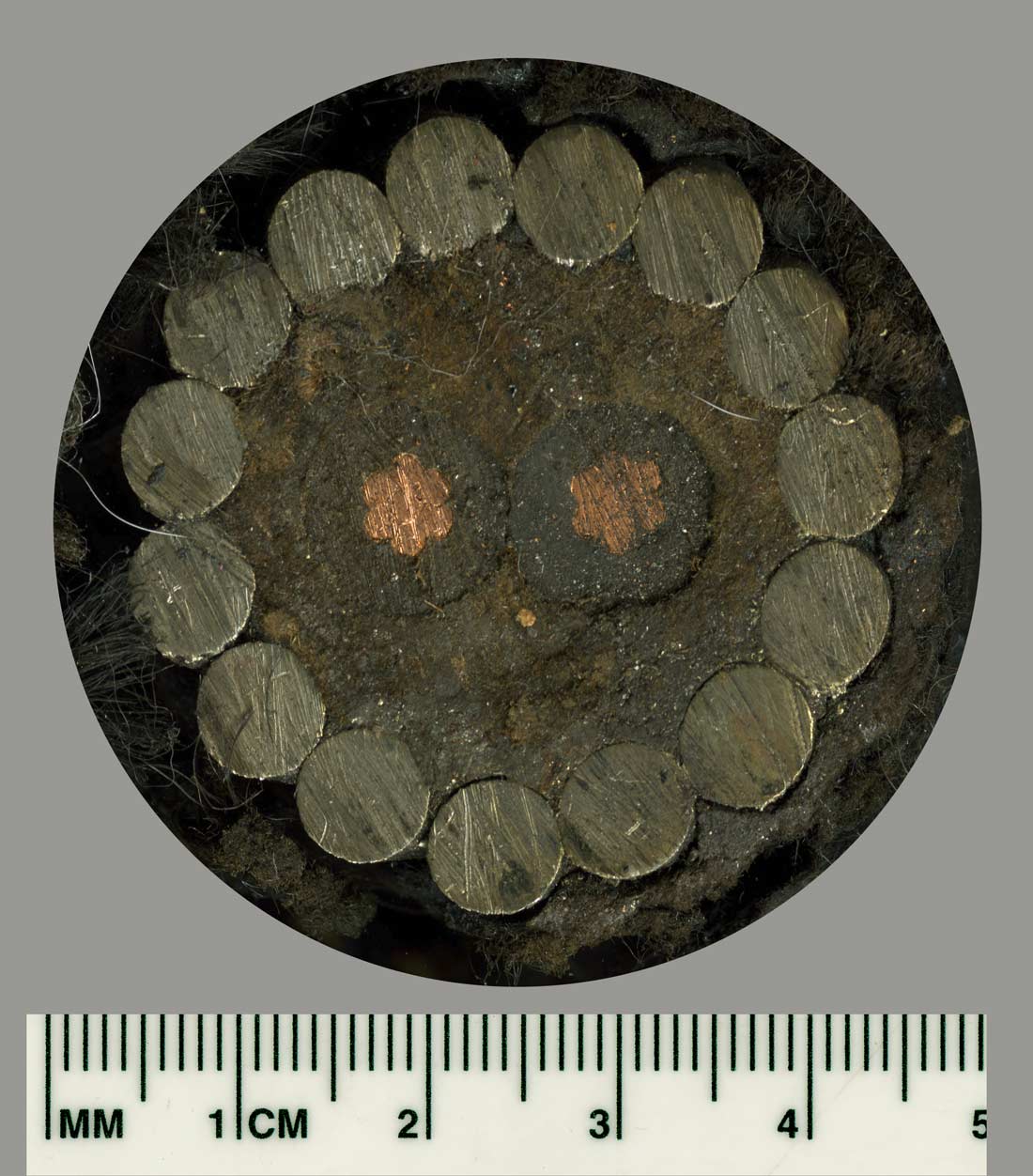
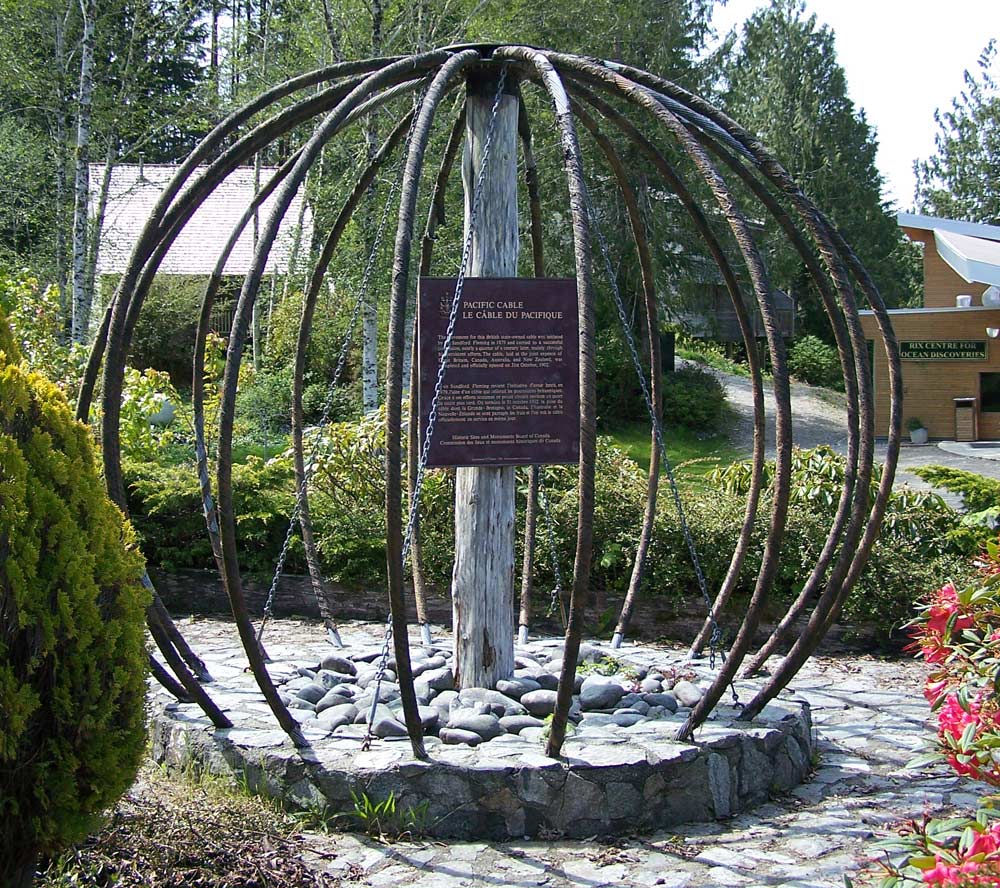
| BAMFIELD CABLE STATION 1902 Pacific Cable The landing of the British Australian Telegraph Company submarine cable in Australia in 1871 renewed the campaign for a state owned Pacific cable. Sir Sandford Fleming, chief engineer of the Canadian Pacific Railway, was the man responsible for the idea. The Dominion governments held a conference in 1877; while a decision to proceed was not taken, suggestions for a route were invited, the only condition being that the cable had to land on British territory. To make this possible Fanning Island was formally annexed in 1888. The route selected was Bamfield, Vancouver Island - Fanning Island - Fiji - Norfolk Island. From Norfolk Island, two cables were laid. One went to Southport, Queensland, with a landline to Sydney, while the other landed at Doubtless Bay, Auckland. It was decided to lay the Bamfield-Fanning Island section in one continuous length. At the time no cable ship existed that could carry the cable to do this, so the Telegraph Construction & Maintenance Company had CS Colonia built. Laying of the 3459 nautical mile long cable began at Bamfield on 18 September 1902, reaching Fanning Island on 6 October. CS Anglia laid all the sections from Fanning Island to Australia and New Zealand during 1902.
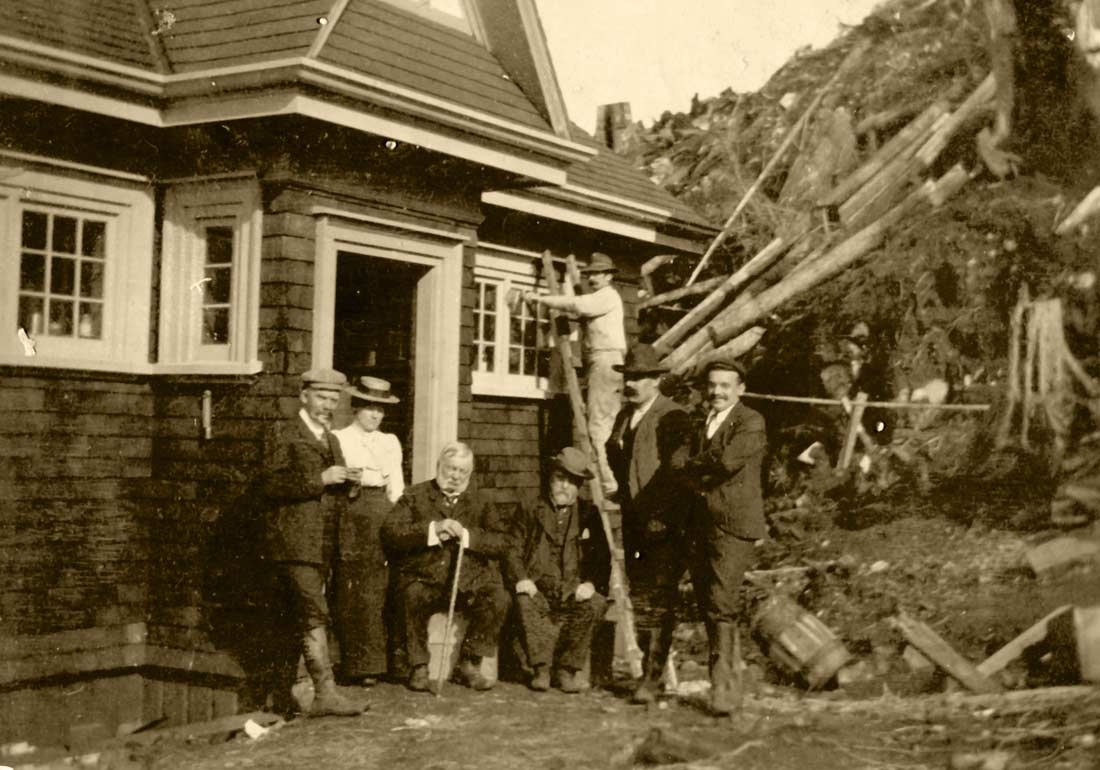
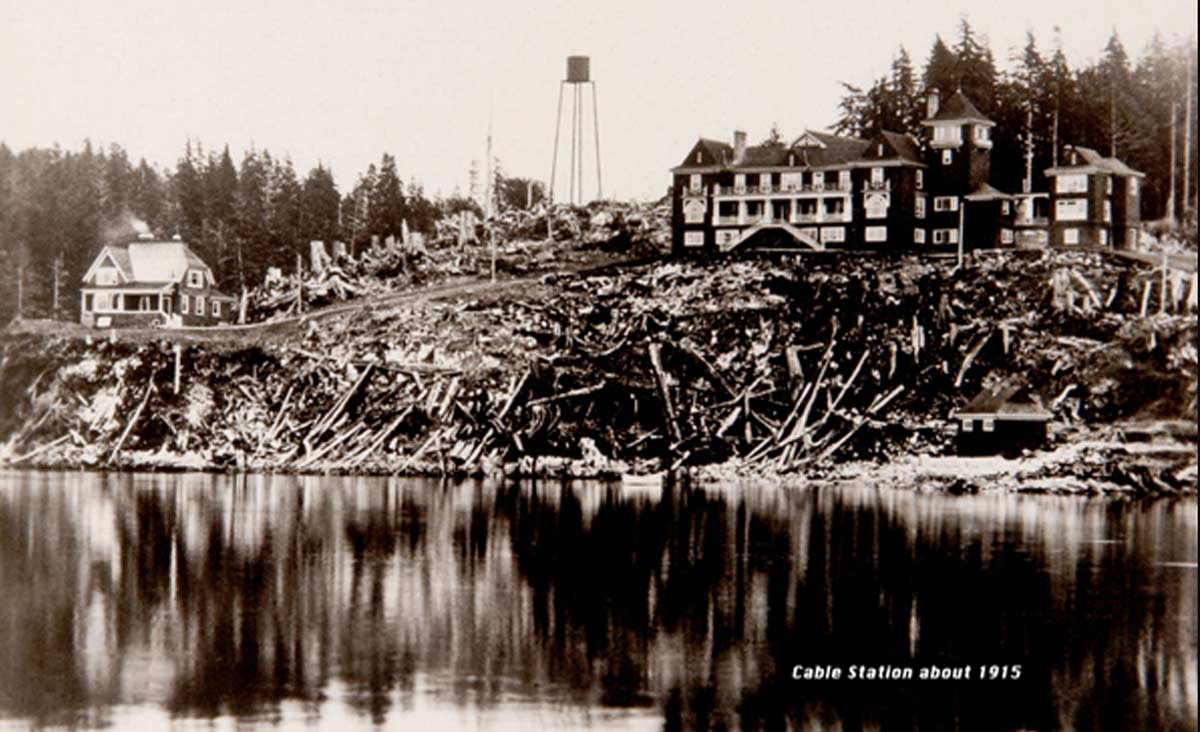
From Bamfield messages were sent over the Canadian Pacific Railway Telegraph to Montreal, from there to Newfoundland, then via a trans Atlantic cable company to Ireland and finally to England. In 1901-1902 the Canadian Pacific Railway Company constructed the Cable Station, Bachelors’ Quarters and Manager’s House.
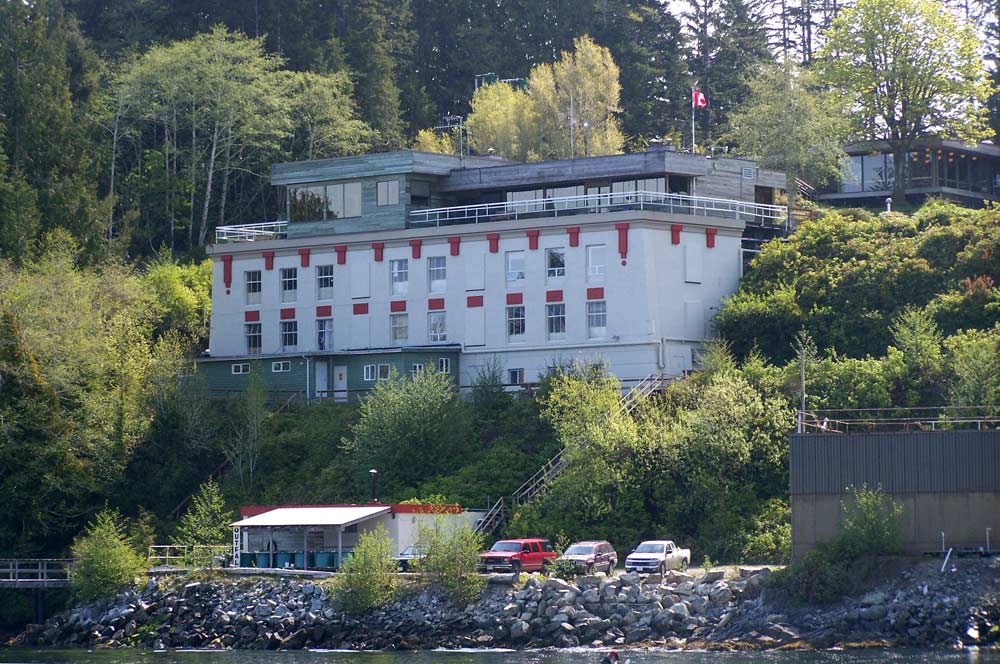
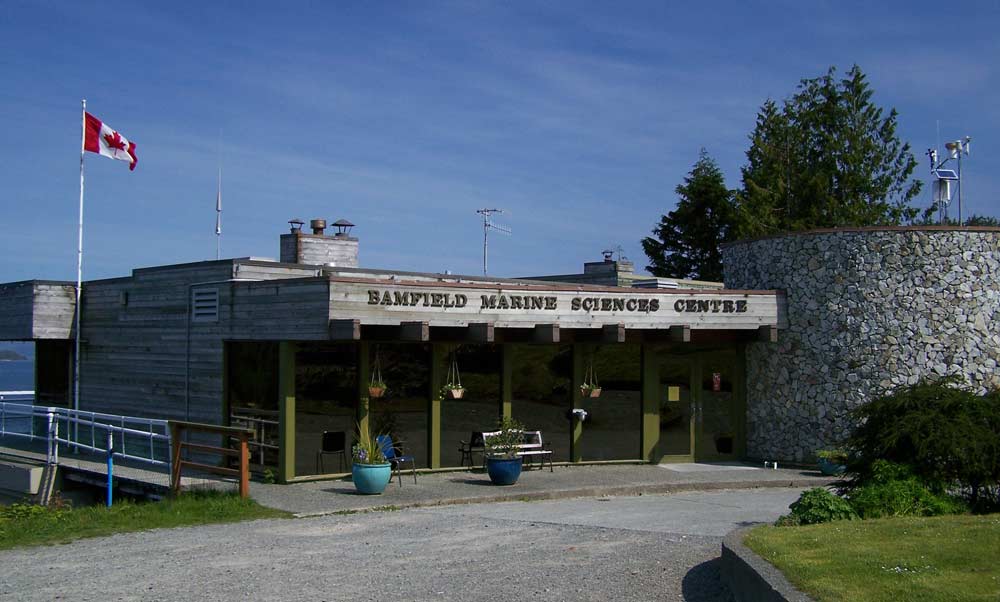
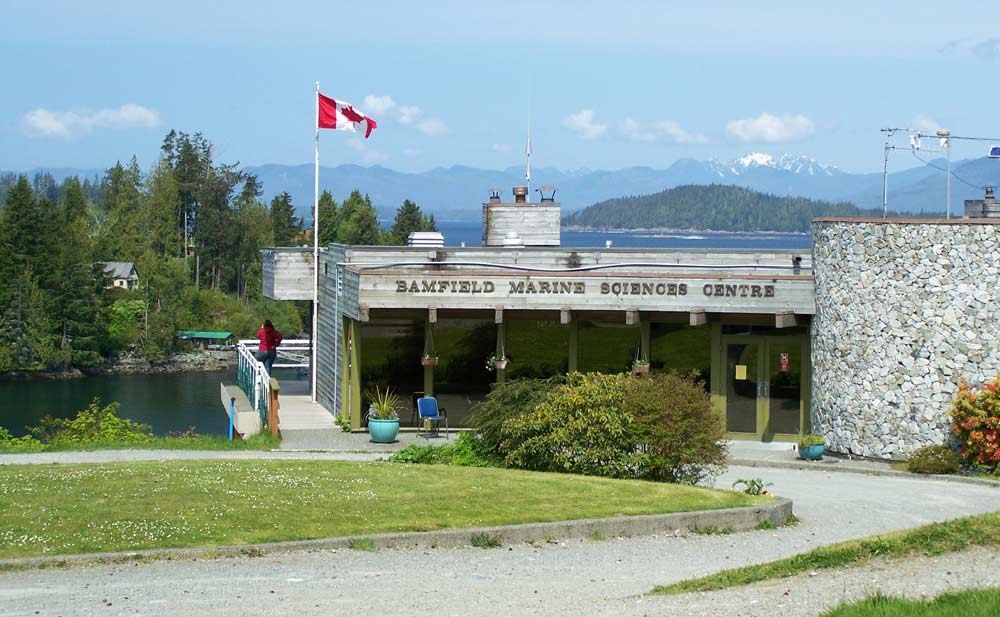
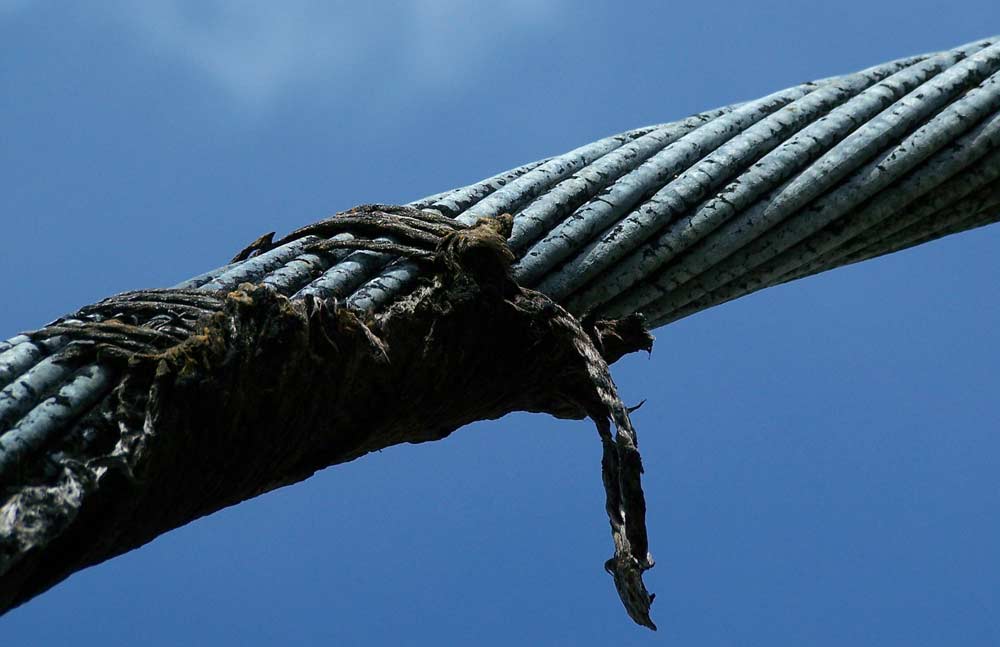
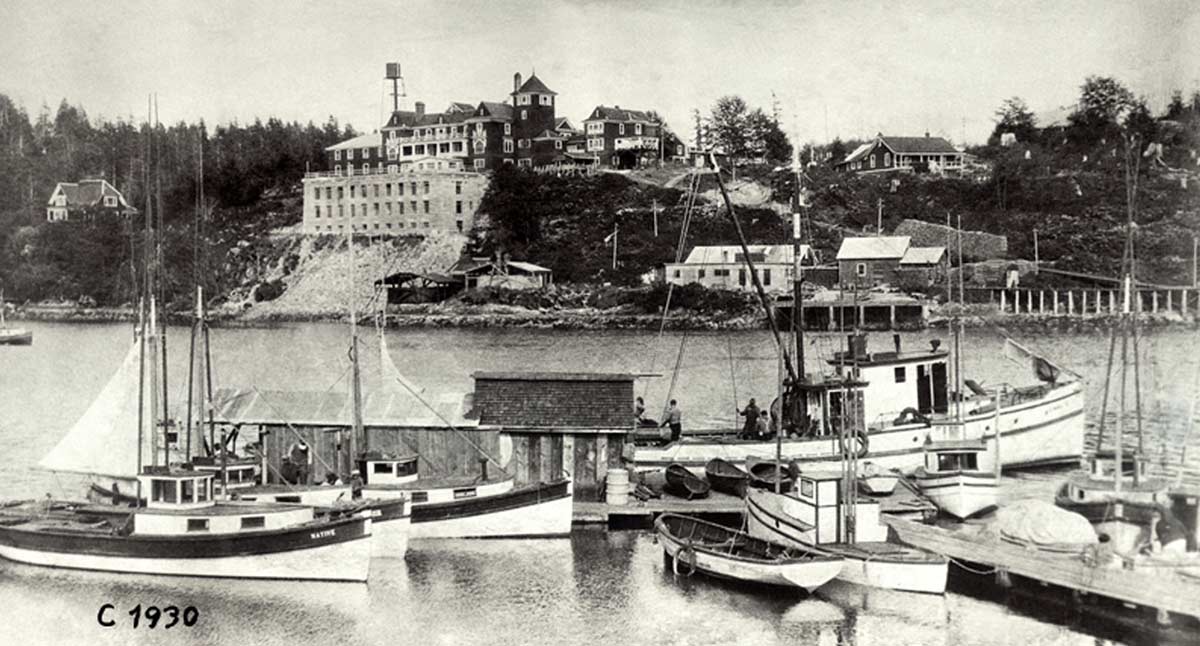
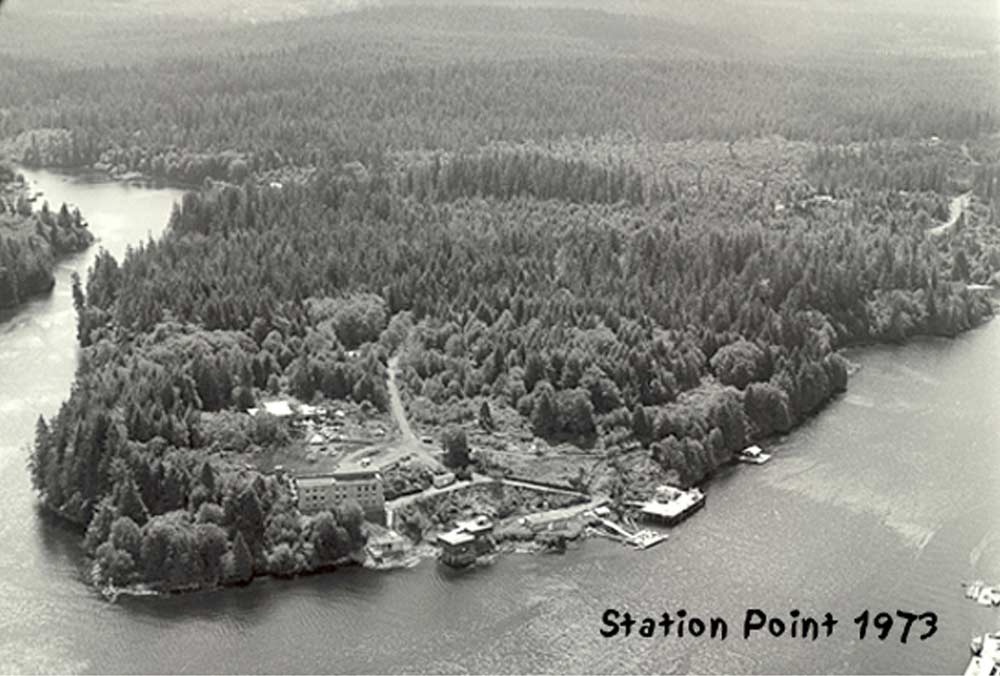
A second cable was laid to the Fiji Islands in 1926, and a new concrete cable office building was built below the original building. The Canadian government took over the Cable Station in 1950 and the Canadian Overseas Telecommunication Corporation was formed, becoming Teleglobe in 1975, and now VSNL International Canada. In 1959, a new state-of-the-art cable station was built in Port Alberni and the Bamfield Cable Station was shut down. The last messages were sent from Bamfield on June 20th, 1959, and in 1965 many of the original wooden buildings on the site were demolished. In 1969 the cable station property was purchased by the Western Canadian Universities Marine Biological Society, and in 1971 development began to convert the old cable station site into a research station. Most of the physical facilities were completed by the end of 1972, and the Bamfield Marine Sciences Centre began operations as a marine laboratory. See Ron Long’s pictorial history of the site later on this page for further information. The site is open to visitors, and in May 2007 Chris London took the photographs shown below and wrote the accompanying notes.
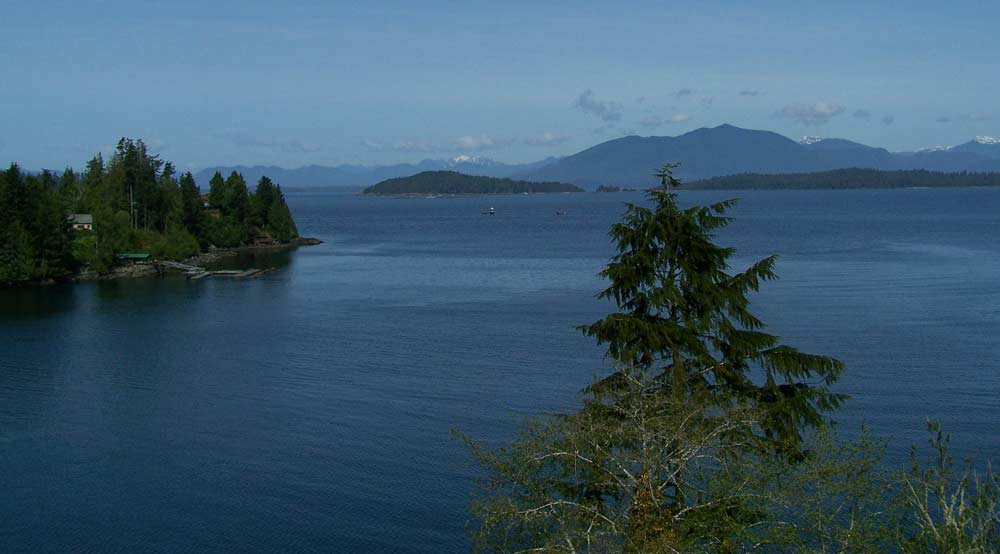
Photographs above courtesy of and copyright © 2007 Chris London Bamfield Marine Sciences Centre: A brief history
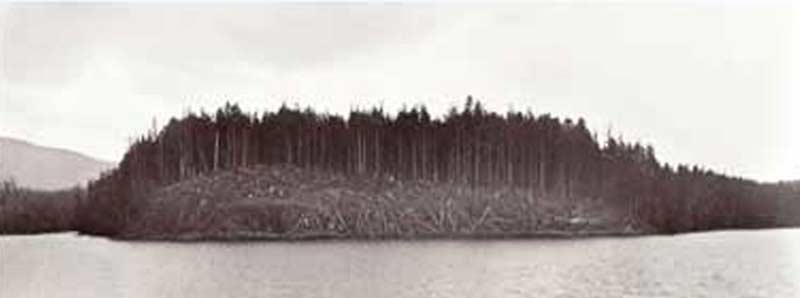
Site clearing for the Pacific Cable Station began in 1901, and the main buildings of the station were ready when the first transpacific cable joined North America with Australia in 1902.
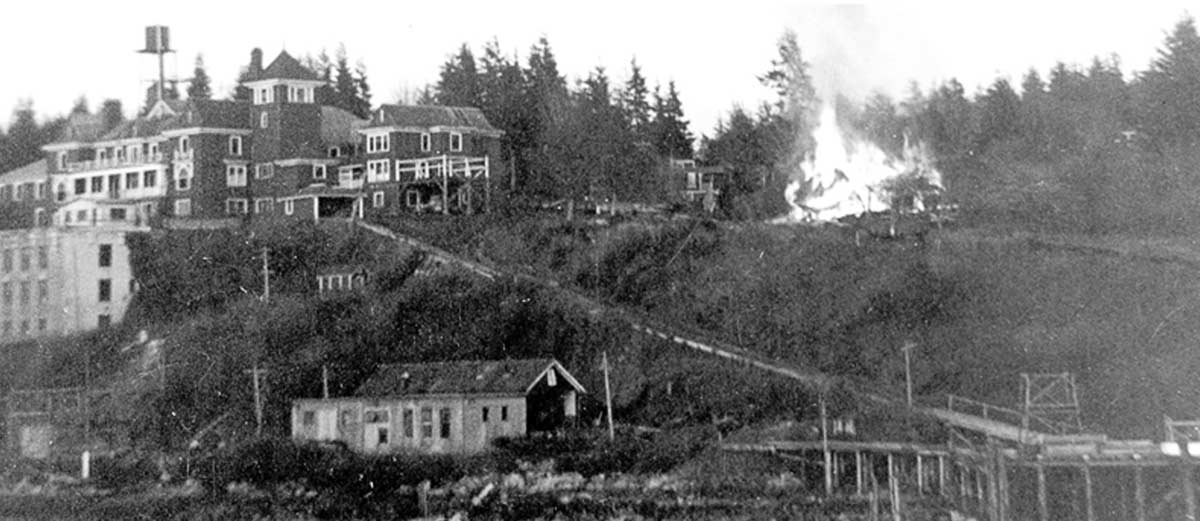
The noted architect Francis Rattenbury designed the main structure He had previously designed the British Columbia Parliament Buildings when he was only twenty-five years old, and the Empress Hotel in Victoria. The Cable Station was a very remote posting for the staff, and they were provided with such amenities as a movie theatre, bowling alley and tennis court.
A second cable was laid in 1926 and the concrete building was erected to accommodate the required new facilities.
In 1959 the cables were extended up the Alberni Canal to Port Alberni and the Cable Station at Bamfield was closed. In 1965 the Rattenbury building was demolished in spite of the fact that it was in fine condition. The surrounding houses were simply burned.
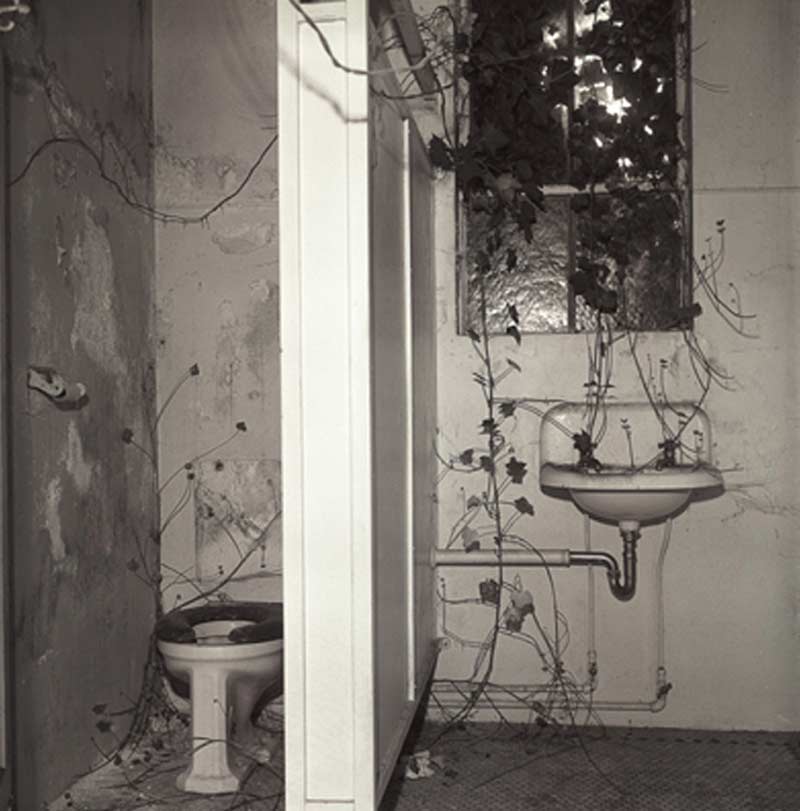
After 1965 all that remained was the concrete building, which stood empty until 1969. Vines grew in through open windows and paint peeled artistically from the walls.
When an association of the five Western Canadian universities became interested in the site in 1969 a major investigation of the area was begun, with scientists, graduate students and staff from the five universities and the Vancouver Aquarium taking part. The location proved to be an excellent one, the site was purchased, and the Bamfield Marine Station was officially established in 1972.
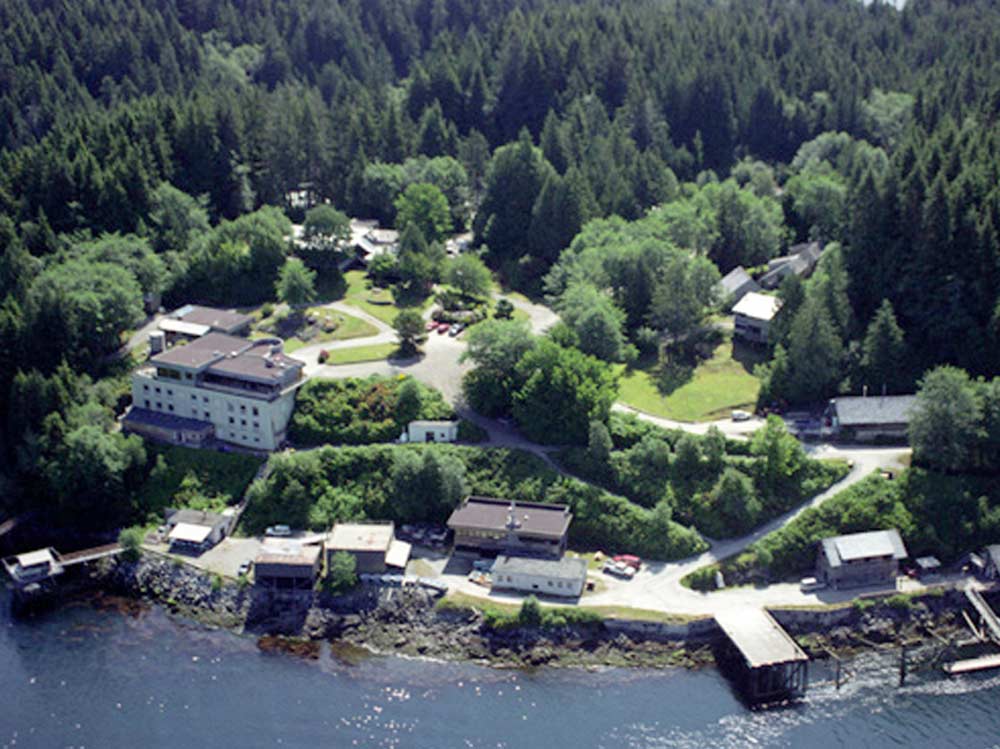
Today the site is more active than ever with visiting faculty and graduate students carrying out marine research projects, and school groups from all over Western Canada taking part in the very popular school programs.
|
|
Last revised: 24 July, 2018 |
|